When to Use Nofollow Links: A Comprehensive Guide
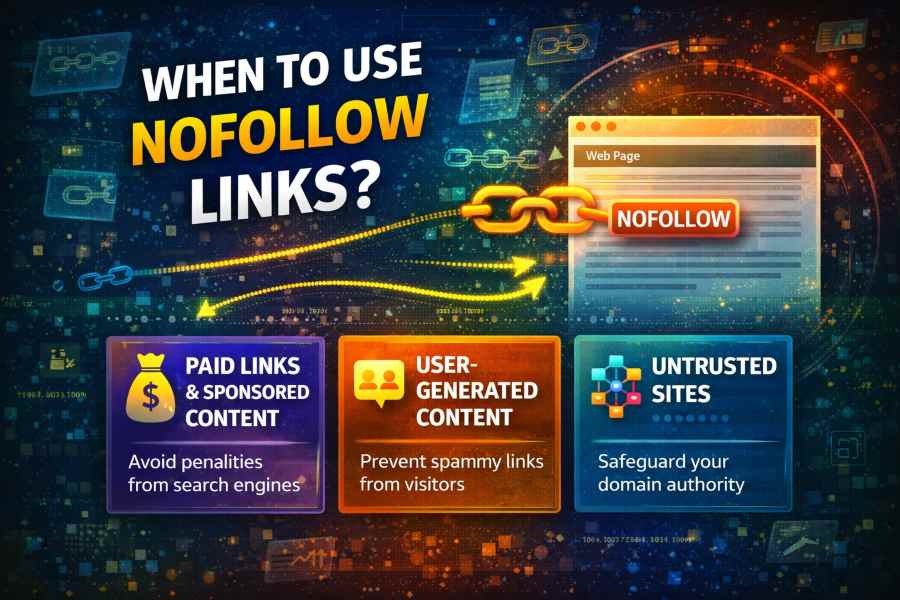
The concept of nofollow links has been around for a while, but it’s crucial to understand when and why to use them in your SEO strategy. Nofollow links are a tool for directing search engines not to pass SEO value or “link juice” to the target page. This guide dives into the reasons behind using nofollow links, their impact on SEO, and best practices for leveraging them effectively.
In this article, we will explore when nofollow links are essential and how to use them strategically for a healthy and compliant link profile.
Nofollow links are a special type of hyperlink that instructs search engines not to transfer page rank or link equity from one page to another. They were introduced by Google in 2005 to help fight spammy practices, especially in user-generated content, comment sections, and forums. The nofollow tag essentially tells search engines, “This link is not a recommendation, so don’t count it for SEO purposes.”
Although nofollow links do not directly contribute to SEO rankings, they can still bring valuable traffic. They help create a diverse link profile, which is essential for maintaining a natural backlink profile. By using nofollow links, you ensure that your site doesn’t appear manipulative to search engines, which can lead to penalties. When used properly, they can complement your dofollow links and contribute to a well-rounded SEO strategy.
In addition to their primary use in managing spam, nofollow links are beneficial in situations where you want to control the flow of SEO value across your site. They allow you to maintain the integrity of your link-building efforts by selectively choosing which links pass SEO value and which don’t.
If you want to understand more about how nofollow links fit into your website’s SEO profile, you can learn more about the importance of content management systems.
The key reason to use nofollow links is to prevent Google and other search engines from associating your site with potentially harmful or spammy content. When you link to low-quality or untrusted sites, a nofollow link is your safeguard. This ensures that your site is not penalized for external links that could hurt your credibility. Using nofollow links wisely helps protect your site’s ranking, especially when you’re linking to sites that aren’t relevant to your audience or don’t add value to your content.
Moreover, nofollow links can be crucial in preventing unnatural link profiles. If you only use dofollow links, search engines may view your link-building strategy as manipulative, which could result in penalties. A diverse link profile, including both nofollow and dofollow links, signals to search engines that your site engages in genuine content sharing rather than manipulative link-building tactics.
Whether you’re linking to paid ads, sponsored content, or user-generated content like comments, nofollow links provide a way to maintain the balance between SEO and compliance with search engine guidelines.
If you’re unsure which CMS is right for your site, consider reading up on the importance of choosing a content management system.
There are several key scenarios in which using nofollow links is important. One of the most common instances is when linking to paid or sponsored content. By adding the nofollow attribute to these links, you ensure that you aren’t violating Google’s guidelines regarding paid link manipulation.
Another time to use nofollow links is when linking to user-generated content. This includes comment sections, forums, or guest posts. If you allow visitors to post links on your site, you may want to prevent the potential for spammy links from affecting your SEO. Nofollowing these links can help mitigate the risk without penalizing your site’s credibility.
Furthermore, nofollow links are useful in affiliate marketing. If you include affiliate links on your site, marking them as nofollow helps avoid passing link equity to the affiliate pages. This keeps your site within Google’s guidelines for sponsored content and ensures your SEO efforts aren’t inadvertently damaged.
By strategically using nofollow links in these scenarios, you can protect your website from penalties and ensure a more ethical SEO strategy. It’s important to strike the right balance between dofollow and nofollow links to maintain a healthy backlink profile.
If you want to learn how to properly install a WordPress theme, check out this article on how to install a WordPress theme.
One common misconception about nofollow links is that they don’t have any value for SEO. While it’s true that they don’t pass link equity or contribute directly to rankings, they still play an important role in building a natural backlink profile. Search engines like Google look for diversity in backlinks, and a mix of both nofollow and dofollow links is an essential part of that.
Nofollow links also help with referral traffic. Even though they don’t directly impact rankings, nofollow links can lead to more visitors by driving traffic from sites that have relevant content. This means nofollow links can help increase brand awareness and audience reach. Plus, search engines may still consider these links when determining the overall relevance and authority of your site.
In short, while nofollow links may not contribute to SEO directly, they help maintain a natural, balanced link profile and can still bring valuable traffic to your site. A healthy backlink profile is crucial for long-term SEO success, and nofollow links are a key component in achieving that.
To understand the relationship between WordPress themes and SEO, it’s helpful to learn how to tell what WordPress theme a site is using.
To effectively use nofollow links, follow best practices that align with Google’s guidelines. First, always apply the nofollow tag to paid links, sponsored posts, and affiliate links. This ensures you’re in compliance with Google’s policies on paid links and helps avoid penalties for link manipulation.
Second, don’t overdo it with nofollow links. While it’s essential to use them in specific scenarios, overusing nofollow links can make your link profile appear unnatural. Instead, focus on using nofollow links where they make sense, such as in comment sections, guest posts, or user-generated content.
Lastly, remember that nofollow links still play a role in generating traffic. Don’t disregard them entirely, as they can drive valuable referral traffic to your site. By strategically using nofollow links, you maintain a healthy backlink profile while benefiting from their traffic-driving potential.
Learn more about how to customize your WordPress theme and improve your website’s performance by reading our guide on how to customize a WordPress theme.
Link building is an essential part of SEO, and nofollow links play an important role in creating a balanced, diverse link profile. While dofollow links are often the focus of link-building campaigns, nofollow links are also critical to prevent link manipulation and spamming.
Using nofollow links in your link-building strategy is not about avoiding SEO value entirely but rather ensuring that you’re not passing link equity to low-quality or irrelevant sites. It’s a way to filter out poor-quality backlinks without ignoring them completely. A combination of both dofollow and nofollow links signals to search engines that you’re creating a genuine, diverse backlink profile.
In addition, nofollow links provide an opportunity for brand exposure and website traffic. Even though they don’t contribute to SEO rankings directly, they still drive visitors from trusted, high-quality sites. This helps build your site’s reputation over time.
To understand the best ways to combine reviews and loyalty programs on your site, check out this article on how to combine reviews and loyalty programs.
Incorporating nofollow links into your SEO strategy is essential for maintaining a natural, balanced link profile. While they don’t directly influence rankings, they help prevent spam, maintain compliance with Google’s guidelines, and ensure ethical link-building practices. By strategically using nofollow links in your content, you can protect your website from penalties and ensure a healthy SEO profile.
Ultimately, nofollow links are a crucial part of SEO that many overlook. By understanding when to use them and following best practices, you can optimize your website’s performance and keep your link-building strategy on the right track. The key is balance: use both nofollow and dofollow links to create a well-rounded and ethical SEO strategy.
Build a professional consulting or corporate website with Alexi. Modern design, responsive layouts, and flexible customization—perfect for business, agency, and service websites.
