How I Create Realistic UGC Style AI Ads for My One Person Shopify Skincare Store
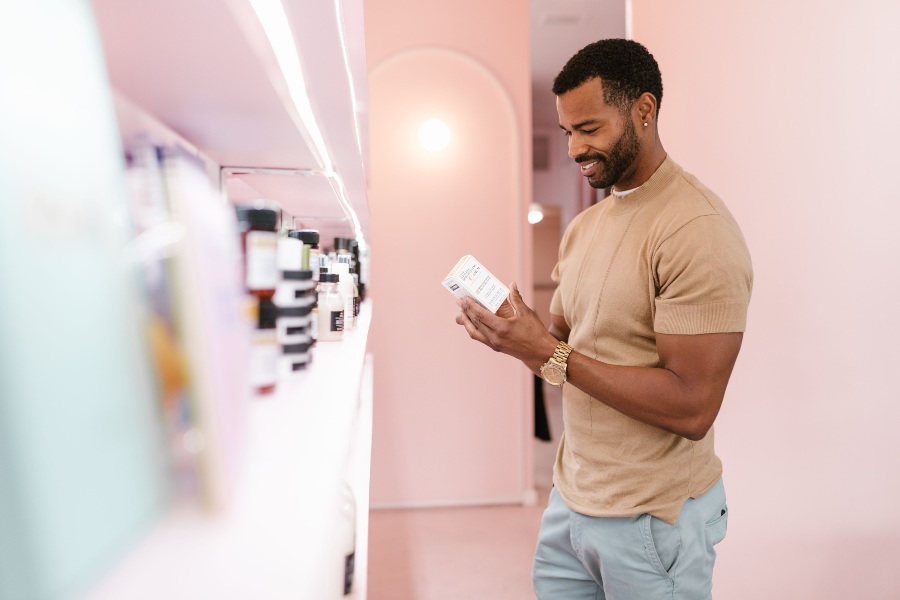
Running a one person Shopify skincare store means I have to handle product development, marketing, customer support, and content creation all at once.
The hardest part is always content because ads need constant testing and fresh creative angles to stay profitable. Hiring creators or influencers for every idea is not realistic for my budget or timeline.
That is why I started experimenting with AI generated UGC style ads that mimic real customer experiences.
Over time, I found a repeatable way to create ads that feel native on TikTok and Instagram Reels. The results changed how I think about scaling a small e-commerce brand.
The shift toward AI generated UGC content is not about chasing trends, it is about survival for small operators like me. Traditional creator marketing is expensive and inconsistent, especially when you need multiple variations of the same concept for testing. Most creators also require back and forth communication, revisions, and scheduling, which slows down campaign cycles.
For a one person store, the real problem is not making one good ad, but producing enough variations to find winning angles. Every product needs multiple hooks, emotional tones, and formats to test what actually works. AI UGC ads solve this by making iteration faster and cheaper.
A few reasons I rely on it now:
What surprised me most is that volume itself improves performance. The more variations I create, the faster I find messaging that resonates.
Not all AI generated ads work. Some look instantly artificial and get ignored. The difference between a high performing ad and a fake looking one usually comes down to subtle details rather than technology.
Real UGC content does not sound scripted. It feels like someone casually talking about their experience. I avoid overly polished sentences and instead write how people actually speak, including slight hesitation and simple phrasing.
The most believable ads follow a simple pattern:
Problem → personal experience → product discovery → result
This structure mirrors how real customers share recommendations without sounding like marketing.
Overly clean visuals often reduce trust. I intentionally include:
These imperfections make the content feel human.
The product needs to be shown in a real life situation, not just displayed. For skincare, that means routines like morning application, night care, or post shower use. Context builds credibility.
Reactions matter more than features. Small expressions like relief, surprise, or confidence make the content feel like a real testimonial rather than an ad.
Each platform has its own rhythm. TikTok needs fast hooks. Instagram Reels works better with lifestyle framing. Facebook ads require clearer explanation. Matching format to platform is part of realism.
My approach is structured but flexible. I do not treat it like a rigid system because creativity changes depending on the product and audience.
I start by identifying who the ad is speaking to and what problem they care about. For skincare, this could be dryness, acne concerns, or sensitivity. Then I build a single clear angle around that problem so the message does not feel scattered.
I keep scripts simple and conversational. A typical structure looks like this:
This makes the ad feel like a real customer speaking, not a brand pushing a message. At this stage, I often use LLMs like ChatGPT and Gemini. They not only help me brainstorm ideas, but also help to organize my thoughts.
Before generating anything, I define how the content should look. This includes the person type, environment, and product interaction. I often use an ai image generator to visualize how the scene should feel before turning it into video content.
This step helps avoid random outputs and keeps everything consistent with the audience I am targeting.
Once I have the script and visuals, I move into generation using different formats depending on the creative goal. For static concepts, I start with text to image to lock in the visual direction. Then I convert it into motion using tools like image to video AI to simulate realistic UGC footage.
When I want faster ideation or variations, I use text to video AI to test different storytelling angles without rebuilding everything manually.
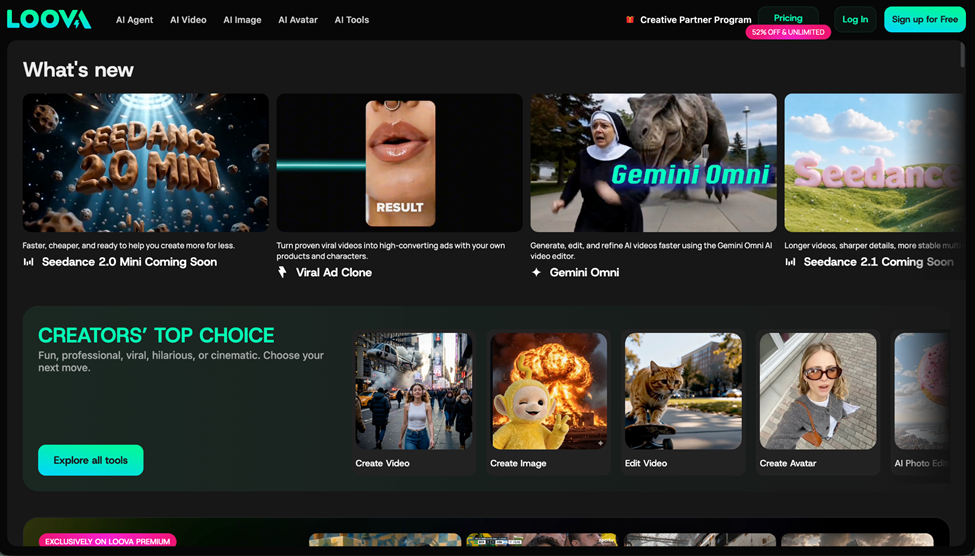
At this stage, I often use Loova as my main platform for assembling and generating AI UGC style ads. It’s an all-in-one platform that includes almost all the features you would have to use in this production process. It helps me combine image and video generation into one place, which reduces friction when I am testing multiple ad variations quickly. Also, it has many ready-to-use toolkit like:
which make UGC ads production become easy and fun.
After generating the video, I refine it to match social media behavior. This includes adding captions, tightening pacing, and structuring hooks in the first few seconds. I also avoid over editing because too much polish reduces authenticity.
Before I launch any ad, I check it against a simple standard:
If something feels off, I regenerate or adjust the script rather than trying to fix it in editing.
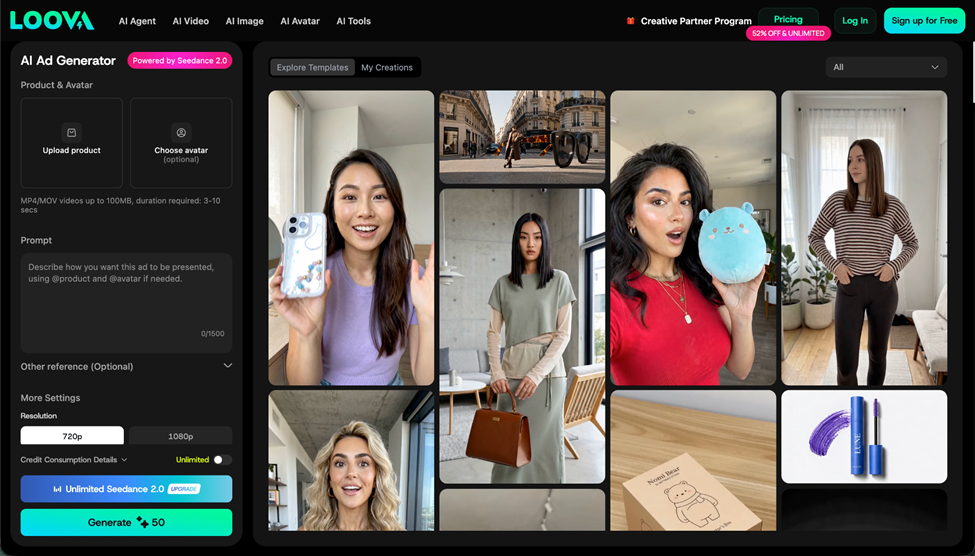
Beyond text-to-image and image-to-image visual drafting tools, creators, including professional UK UGC creators, gain massive efficiency from two specialized AI utilities built for UGC ad workflows: AI Ad Generator and Viral Ad Clone.
The AI ad generator streamlines end-to-end original UGC ad creation from scratch. Marketers only need to input product features, target audience traits and brand tone requirements, and the tool automatically outputs complete assets including natural UGC-style scripts, scene layouts, matching visuals and platform-tailored CTAs. It supports batch generating multiple ad variants optimized for TikTok, Reels and Shorts, eliminating repetitive manual writing and design work when testing fresh creative concepts.
Complementing original creation, the Viral Ad Clone accelerates performance-proven ad replication without full redesign. Users upload high-converting reference viral UGC ads, and the AI dissects their winning logic—opening hooks, shot pacing, narrative rhythm and emotional beats. It then reconstructs identical engaging frameworks while swapping in your own product assets, generating unique, platform-ready UGC ads that inherit proven scroll-stopping structures without copying competitors’ content outright.
These focus on storytelling. I simulate a real customer describing their experience with the product over time. The goal is trust, not hype. I usually keep the language very casual, like something someone would say in a voice note to a friend. The small details in the story matter more than any dramatic claim.
These show how the skincare product is used in a daily routine. The emphasis is on texture, application, and ease of use. I try to make the visuals feel like a normal morning or night routine instead of a staged product shoot. Showing the “in-between moments” like applying moisturizer in front of a mirror makes it feel more real.
These start with a relatable frustration and show how the product fits into a solution. This format usually performs well for cold audiences. I keep the problem very specific so it feels immediately recognizable to the viewer. The transition from frustration to relief needs to feel natural, not forced or overly positive.
I use this carefully and keep it realistic. The goal is not dramatic transformation claims, but subtle improvements that feel believable. Small visual changes over time tend to perform better than extreme shifts that look unrealistic. I also avoid over-editing because that often breaks trust immediately.
These focus on packaging experience and first impressions. They work well for retargeting audiences who already know the brand. I pay attention to small sensory details like packaging sound, texture, and first look reactions. The idea is to recreate that real “first time opening” feeling as closely as possible.
This format simulates multiple users sharing similar feedback. It builds confidence in the product without needing real influencer campaigns. I vary the tone slightly between each “user” so it doesn’t feel repetitive or scripted. Even small differences in phrasing make the group feedback feel more authentic.
Most AI ads fail for predictable reasons, and I made many of these mistakes early on.
The biggest change for me was not just efficiency, but creative freedom. I can now test ideas quickly without waiting on external production.
Some key outcomes:
However, not everything should be automated. I still review every script manually because brand voice and compliance matter. AI helps me scale execution, but strategy is still human driven.
The most important lesson is that realism beats complexity. Simple ads that feel real consistently outperform overly produced concepts.
AI UGC ads are becoming essential for solo founders because they solve the biggest constraint in e-commerce marketing, which is content volume. The ability to quickly test ideas changes how small brands compete with larger teams. But the goal is not to replace authenticity, it is to simulate it well enough that the audience feels it.
For me, the real advantage is the speed of learning. I can test, fail, and improve much faster than before, which directly impacts performance over time. When used correctly, AI becomes less about automation and more about creative expansion.
AI UGC ads are user generated style videos created using artificial intelligence to simulate real customer experiences. They are designed to look like authentic social media content rather than traditional advertisements.
They can convert well when they are realistic and match platform behavior. Performance depends more on script quality and storytelling than the generation tool itself.
Focus on natural language, imperfect visuals, real life usage scenarios, and emotional storytelling instead of polished marketing language.
Yes, as long as they comply with platform advertising policies. The content should not mislead users and should follow standard ad disclosure rules.
The most effective approach is combining text to image for concept planning, image to video AI for motion generation, and iterative testing of multiple script variations.
Yes. Many solo founders now use AI tools to generate UGC style content, allowing them to produce enough creative variations for effective testing without large production budgets.
Build a professional consulting or corporate website with Alexi. Modern design, responsive layouts, and flexible customization—perfect for business, agency, and service websites.
