Creating Persuasive Accident Reconstruction Graphics: The Whys And The Hows
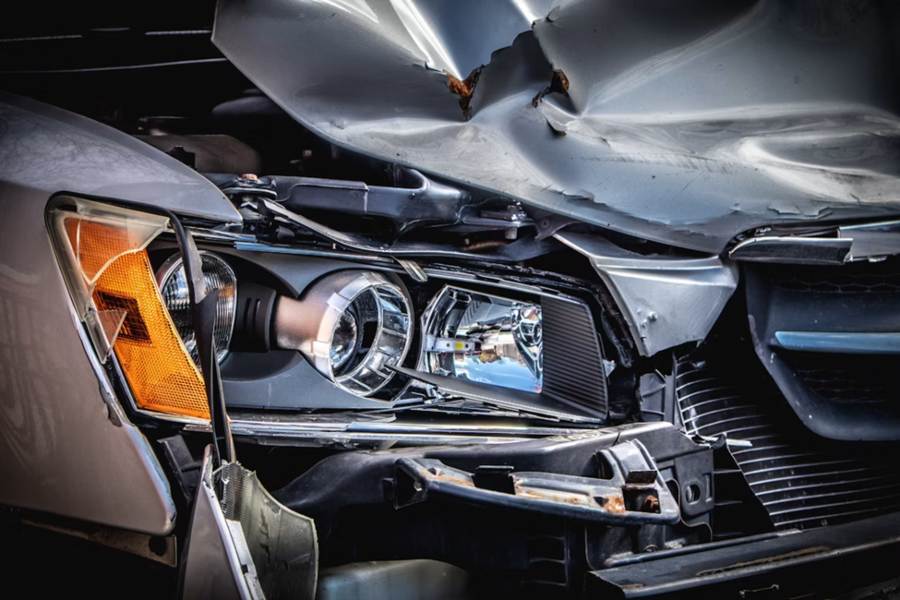
Presenting a clear picture of a car crash in court requires clear evidence. Traditional police reports often fail to show the true mechanics of a wreck. Visual summaries can fix this problem.
Visual tools bridge this gap by turning raw data into clear animations. These tools help judges and juries grasp exactly what happened during those critical moments. They make complex facts straightforward.
Crash scenes are chaotic and filled with scattered debris. Investigators collect measurements, skid marks, and vehicle damage profiles to understand the event. This physical proof forms the foundation of any later recreation. It helps build a reliable timeline.
Turning these static points into a 3D model reveals things the naked eye misses. Jurors can view the crash from multiple angles to see how blind spots impacted the driver. This interactive view brings clarity to a complicated scene. It uncovers details that photos cannot capture.
This perspective removes guesswork from the deliberation room. Legal teams gain a reliable tool to support their arguments throughout the trial. It makes the entire sequence of events much easier to digest. Jurors appreciate this transparent approach.
Speed calculations can confuse a jury when presented as numbers alone. Charts and mathematical formulas do not convey the violent reality of a high-speed crash. People need to see the momentum to understand the damage. Visual demonstrations make these abstract numbers real.
Velocity numbers on a page rarely tell the full story of a highway wreck. Legal teams often utilize motion graphics that capture the severity of a collision to demonstrate real-time velocity. This approach helps viewers see how fast a car traveled before braking. The visual representation speaks louder than simple testimony.
Viewers can see the exact moment a driver tapped the brakes. This clarity makes it easier to determine fault in a disputed crash. It takes away the reliance on faulty human memory. Juries can make decisions based on clear physics.
T-bone crashes present unique challenges for forensic experts. The vehicle structures deform rapidly, which alters the trajectory of the occupants inside. Understanding these paths requires advanced physics calculations. Experts must map every inch of the structural crush.
A research paper explained how 40 real-world side collision cases helped extract dynamic boundary parameters for vehicle movement. These precise boundaries allow animators to build highly accurate digital models. The data gives the visual asset high scientific value. It grounds the animation in actual crash testing science.
The resulting graphics display how forces move through the car frame. Jurors see the precise sequence of the impact without confusion. It turns cold physics into a clear story. Legal teams can use this clarity to prove their points.
Creating these visual aids requires strict adherence to scientific data. Graphics cannot just look good – they must match the physical evidence perfectly. A single error can waste a $5000 exhibit budget in the courtroom. Presenters must double-check every calculation.
Experts look at several key data points to build a trustworthy model:
Discrepancies can ruin a case if the graphic does not line up with the expert testimony. Accuracy is the foundation of any courtroom presentation. Judges appreciate when the data speaks for itself. It builds immense trust with everyone in the room.
Judges carefully screen any visual demonstration before allowing it into a trial. The presentation must serve an educational purpose rather than just swaying emotions. It must provide genuine assistance to the court. Strict rules govern what enters the record.
An academic study highlighted how these tools help attorneys gain credibility during a proposed reconstruction. When the math matches the animation, the argument becomes much stronger. This backing makes the visual evidence difficult to dismiss. It gives the jury confidence in the findings.
Opposing counsel will find it difficult to challenge an animation backed by peer-reviewed science. This layer of defense protects the integrity of the case. It secures a solid footing for the legal arguments. Win or lose, solid science remains undefended.
Reaction time is a major talking point in injury lawsuits. Defense lawyers often claim their client had no time to avoid a sudden hazard. These claims can sway a jury without clear proof to the contrary. Accurate visuals dismantle these groundless defenses.
Graphics can display a countdown timer alongside the vehicle’s movement. This overlay shows the seconds ticking away between the hazard appearing and the driver reacting. It removes any bias from the timeline. Viewers watch the unfolding scene in slow motion.
Juries can judge for themselves if the driver was distracted. The visual timeline simplifies a complex human behavior question. It leaves little room for speculation. This presentation shifts the focus back to objective facts.
Engineering jargon can alienate the people sitting in the jury box. Most individuals do not know how momentum conservation principles apply to a truck wreck. Dry speeches often put people to sleep. Legal teams must find a better way to communicate.
Animations translate these dense physics concepts into digestible pieces of video. The heavy machinery movements become clear to an average viewer. Complex math transforms into a relatable visual lesson. It levels the playing field for everyone listening.
A simple 30-second clip can replace hours of dry expert explanation. This efficiency keeps the jury focused on the core facts. It helps maximize the impact of the expert testimony. Clear visuals keep attention spans high throughout the day.
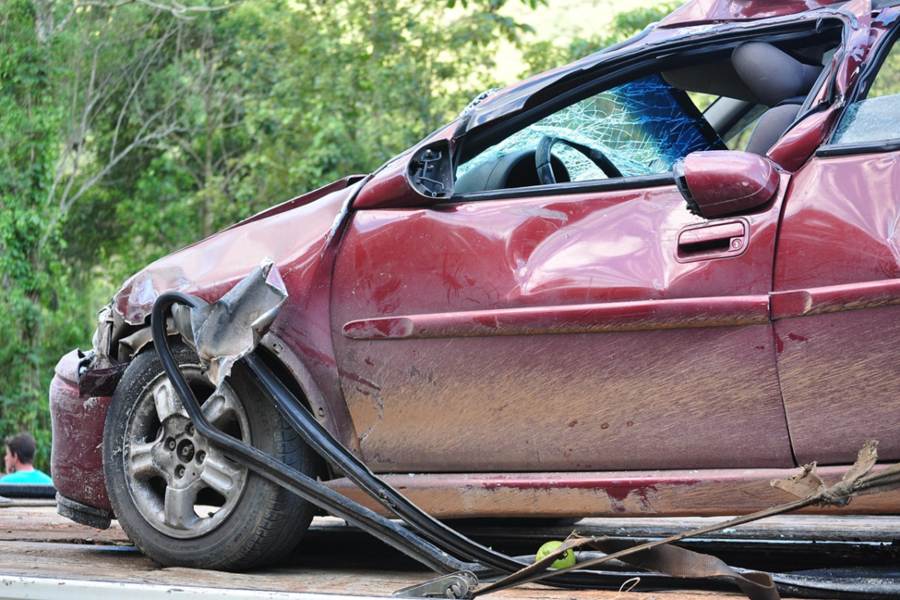
Visual evidence changes how people process crash data. Clear graphics remove the confusion of technical legal arguments. They help people see the truth clearly.
These accurate tools tell the true story of a collision. They help legal teams present facts clearly to achieve fair outcomes. Visual clarity wins trials.
Build a professional consulting or corporate website with Alexi. Modern design, responsive layouts, and flexible customization—perfect for business, agency, and service websites.
