How to Keep Commercial Elevators Safe and Efficient
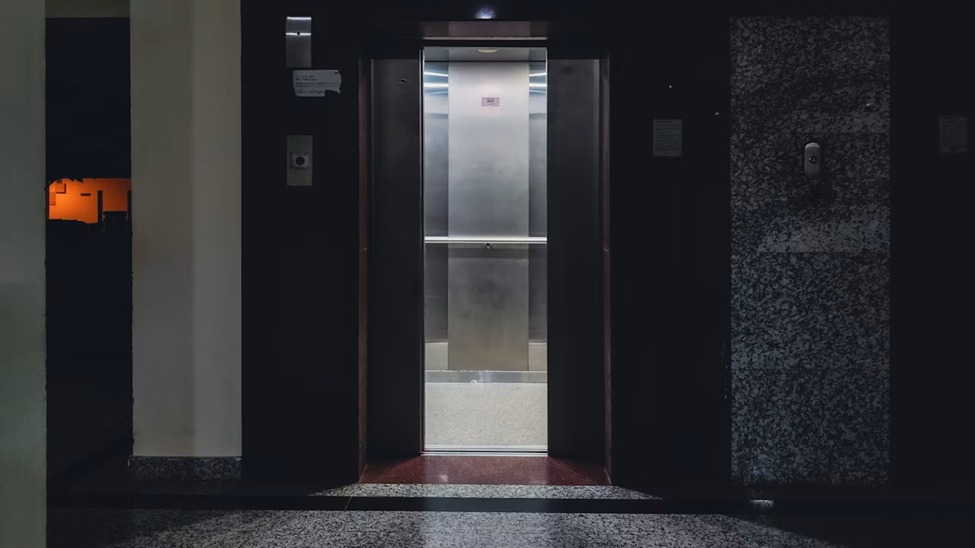
Commercial buildings rely on smooth daily transportation to move occupants through floors without delay. Unplanned downtime disrupts daily business routines and creates frustration for everyone in the facility.
Proper upkeep keeps hardware functioning smoothly for decades. Setting clear operational protocols helps property managers protect physical assets and maintain steady daily performance across all facilities.
Building management teams must establish daily monitoring habits to identify mechanical noise before minor friction turns into significant operational failure. Quick visual checks of doors, hallway call buttons, and cab indicators keep daily traffic moving cleanly. Spotting small operational hiccups early keeps maintenance budgets predictable throughout the operational year.
Daily passenger movement requires clean operational systems to maintain overall building value. Managers seeking Detroit elevator modernization services often upgrade aged hardware to boost daily transit performance. Upgraded equipment lowers operating expenses over extended service lifecycles and offers a smoother ride for passengers.
Tracking performance metrics provides clear insights into general system health. Documenting daily transit cycles allows engineers to fix small issues before components wear out completely. Detailed operational logs help facility teams schedule repairs during off-peak hours to minimize tenant disruption.
Regulatory agencies enforce mandatory safety evaluations to guarantee passenger security across commercial properties. Federal workplace safety guidelines require complete, thorough inspections of vertical transport equipment at minimum annual time intervals. These regulatory standards establish a strict baseline for facility safety and mechanical integrity.
Qualified technicians check braking systems, hoist ropes, and electrical panels during routine safety reviews. Compliance documentation protects building owners against legal liability and structural compliance violations. Thorough testing verifies that emergency battery backups and alarm systems respond correctly during power losses.
Maintaining clear compliance logs demonstrates commitment to high safety standards. Regular regulatory reviews keep physical infrastructure aligned with regional building safety codes. Organized maintenance files streamline official audits when municipal building inspectors review property records.
Mechanical components endure high friction during peak operational hours every single day. Recent medical research indicates that mechanical malfunctions or poor maintenance practices cause numerous lift accidents. Proactive component care significantly reduces risk for daily building occupants.
Replacing worn cables, door tracks, and motor switches before complete failure prevents unexpected outages. Preventive maintenance protocols keep system mechanics operating smoothly under heavy traffic loads. Scheduled parts replacement avoids emergency service calls that strain operating budgets.
Technicians run diagnostic tests to check leveling accuracy and smooth braking force. Consistent lubrication of moving parts reduces system strain and extends component operating life. Proper calibration prevents tripping hazards caused by cabs stopping slightly above or below floor landings.
Modern hardware updates increase energy performance and reduce mechanical stress on older drive motors. Replacing outdated relays with digital controllers improves passenger transit times across all floors. Upgraded control boards respond faster to call signals and process passenger requests efficiently.
Upgrades focus on key physical assemblies:
Digital dispatching systems reduce waiting intervals during peak morning arrival hours. Modern door sensors prevent accidental contact and improve entry safety for all building visitors. Advanced motor drives eliminate jerky acceleration, creating a seamless ride experience for tenants.
High passenger volumes during morning entry hours place extreme strain on hoisting cables and door operators. Balancing cab assignment helps equalize mechanical wear across all available hoistways. Smart traffic management prevents single units from suffering premature wear compared to neighboring cabs.
Programming controllers for peak traffic modes reduces unnecessary trips to vacant building floors. Smooth traffic distribution prevents motor overheating and reduces total power consumption. Energy savings add up quickly when cars park strategically near high-demand floors.
Clear signage guides occupants to available cabs, preventing overcrowded cabins during rush periods. Balanced loading maintains smooth counterweight operations and prevents unnecessary brake wear. Distributing weight evenly preserves motor bearings and extends drive sheath service life.
Heat build-up inside machine rooms signals potential friction within drive motors and gear boxes. Maintaining proper climate control in control rooms prevents delicate circuit boards from overheating. Stable ambient temperatures preserve sensitive electronic chips and reduce processor glitches.
Regular fluid analysis on hydraulic systems reveals microscopic metal particles from internal component wear. Early detection of fluid contamination prevents sudden pump failure and costly repairs. Clean hydraulic fluid ensures steady lifting pressure and smooth cab motion during ascent.
Checking door alignment reduces drag on door operators and lowers electrical current draw. Well-adjusted door tracks prevent nuisance stops that delay passenger travel. Tightening loose structural fasteners stops vibrations that create unwanted cabin noise.
Onsite maintenance teams need basic instruction to spot early warning signs of mechanical wear. Staff members can perform visual daily checks of hallway call buttons and indicator lights. Quick daily walk-throughs identify minor issues before tenants report operational problems.
Establishing clear reporting procedures helps facilities teams alert specialized technicians quickly. Quick communication shortens system downtime when minor door adjustments become necessary. Streamlined service requests guarantee professional mechanics receive accurate diagnostic information prior to arrival.
Proper response protocols for stuck cabs keep passengers safe during unexpected outages. Knowledgeable facility managers coordinate with certified service contractors to maintain peak operational readiness. Well-trained staff handles emergency communication calmly, reassuring passengers until technicians complete extraction procedures.
Maintaining commercial vertical transportation requires continuous inspection, scheduled servicing, and timely equipment upgrades. Protecting physical assets preserves property value and supports tenant satisfaction across commercial spaces.
Strategic maintenance programs extend mechanical lifespan and deliver reliable daily transportation for all building occupants. Consistent operational oversight keeps facilities moving forward safely every day.
Build a professional consulting or corporate website with Alexi. Modern design, responsive layouts, and flexible customization—perfect for business, agency, and service websites.
