6 Heavy Equipment Rules Every Jobsite Needs
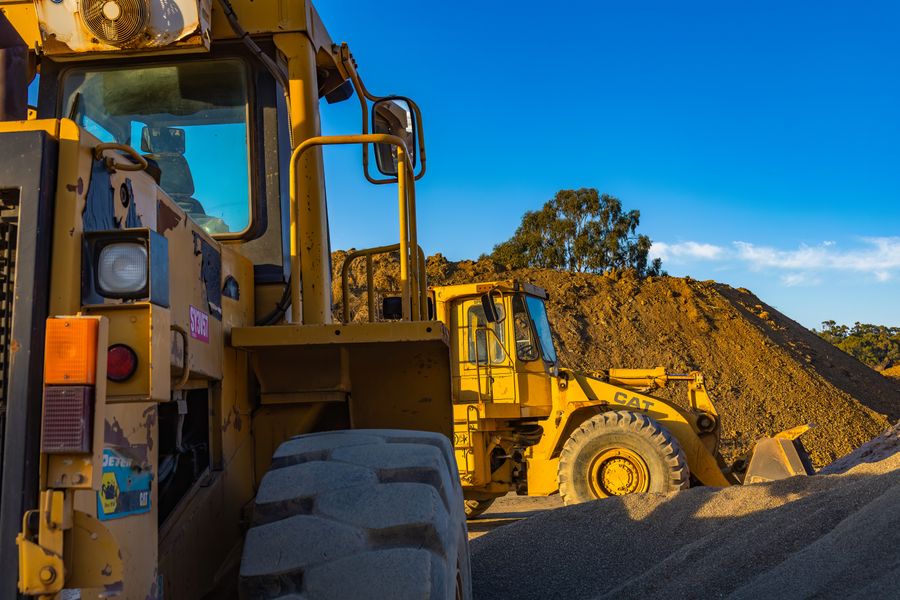
Heavy equipment keeps construction projects moving on schedule across demanding job sites. Big machinery brings massive power to every task, but it requires strict control to keep crews safe. Simple mistakes around excavators or loaders turn into serious accidents in seconds.
Clear jobsite rules create structure and reduce costly downtime across all shifts. Setting firm standards keeps every worker alert and protected from day 1. Consistent oversight guarantees that heavy machinery operates as intended without placing human lives at risk.
Every shift must begin with a thorough walkaround check of all active machinery. Operators who oversee site slab updates or concrete repair work need to inspect fluid levels, hydraulic hoses, and braking systems before turning the key. Identifying minor leaks or loose fittings early prevents catastrophic mechanical failures during heavy lifts.
Skipping routine checks puts every nearby crew member in immediate danger. Written logbooks or digital apps help teams track maintenance histories accurately across multiple project phases. A simple 10-minute inspection routine catches hidden wear before it leads to structural damage or sudden power loss.
Daily checklists hold operators accountable for machine readiness every single morning. Catching a worn belt early saves thousands of dollars in unexpected field repairs. Consistent daily habits build a proactive site culture focused on preventive care.
Skilled operators understand equipment limits, blind spots, and load capacity restrictions. Comprehensive training programs turn novice workers into cautious professionals who recognize site hazards quickly. Continuous learning keeps safety procedures fresh in everyone’s minds during complex site operations.
Investing time in worker education yields massive financial returns over long project cycles. A workplace safety group noted that every $1 spent on safety measures yields $2 to $6 in measurable financial returns. Proper instruction lowers equipment repair bills, minimizes worker compensation claims, and preserves high project margins.
Thorough instruction covers hands-on machine maneuvers along with site hazard recognition. Structured refresher courses remind veteran operators about subtle safety protocol updates. Knowledgeable crews resolve dangerous situations swiftly before accidents occur.
Large loaders and backhoes present massive blind spots for drivers working in tight spaces. Clear hand signals or two-way radio channels eliminate guesswork between operators and ground crews. Ground personnel must remain visible to drivers at all times during maneuvering.
Standardized signals keep movement predictable across crowded worksites. Ground spotters should stick to standard operational steps:
Direct communication paths stop backing incidents before they happen on active sites. Dedicated spotters give machine operators extra eyes in tight corridors, protecting nearby workers from accidental impacts. Clear signal protocols keep complex material moves running smoothly all day long.
Heavy machinery requires designated travel lanes away from foot traffic to run safely. Physical barricades, high-visibility tape, and warning signs keep unauthorized personnel outside dangerous swing radii. Marking clear boundaries reduces the risk of accidental contact near operating diggers or cranes.
Protective equipment shields workers from moving mechanical components and falling debris. A government health agency explained that physical safeguards function as proactive barriers designed to limit injury severity on busy sites. Sturdy machine guards, rollover protection structures, and seatbelts save lives when unexpected shifts occur.
Fencing off high-risk zones keeps foot traffic separated from heavy machinery routes. Bright warning signs notify subcontractors about specific machinery hazards in real time. Physical barriers give equipment operators clear boundaries to maneuver safely without worry.
Personal protective equipment forms the final line of defense for every worker on site. Standard gear includes hard hats, steel-toe boots, eye protection, and high-visibility vests. Wearing proper gear dramatically reduces injury severity when flying debris or unexpected impacts occur.
Ill-fitting protective gear creates dangerous snag points near rotating shafts or conveyor belts. Helmets or gloves that feel too loose slip off during critical tasks, leaving workers completely exposed. Jobsite managers must check that every worker wears gear scaled to their exact physical dimensions before entering active zones.
Providing properly sized protective gear shows a genuine commitment to worker well-being. Regular checks prevent workers from using worn straps or cracked helmets on high-risk tasks. Quality gear builds confidence among workers handling heavy tools near operating machinery.
Navigating heavy excavators or haul trucks around moving foot traffic requires controlled speeds. Setting clear speed limits – typically 5 to 10 miles per hour – keeps drivers in full control at all times. Lower speeds give operators time to react to unexpected obstructions or sudden foot traffic crossing travel paths.
One-way traffic routes prevent tight bottlenecks near materials drop zones. Posted signs and painted lane markers guide haul trucks through safe paths across uneven terrain. Managing traffic flow minimizes vehicle collisions, protects ground workers, and maintains steady jobsite productivity day after day.
Enforcing strong safety rules creates a secure environment for every crew member operating heavy machinery. Putting these 6 rules into practice protects valuable machinery and brings every team member home safely at the end of the day.
Build a professional consulting or corporate website with Alexi. Modern design, responsive layouts, and flexible customization—perfect for business, agency, and service websites.
