Why Modern Factories Rely on Automated Order Software
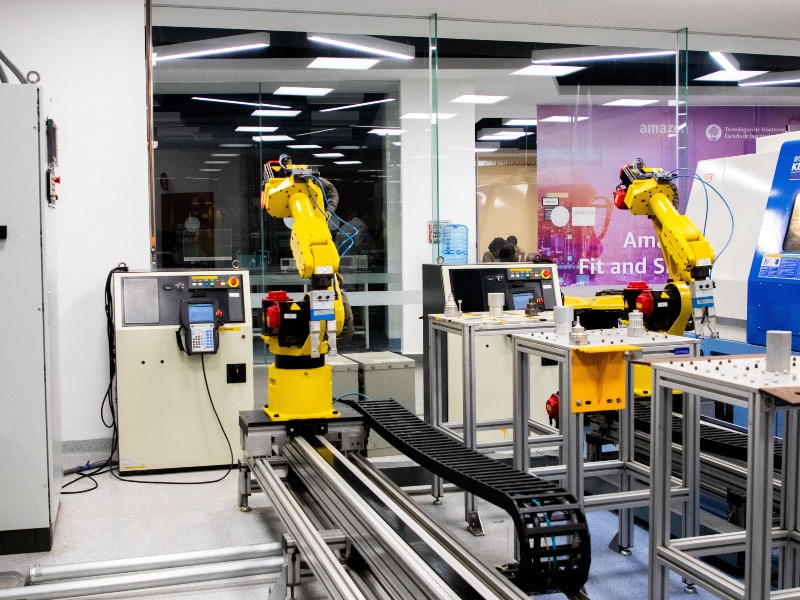
Industrial manufacturing is changing faster than ever. Standard whiteboards and paper logs can no longer keep up with modern demands. Managers face constant pressure to increase speed and maintain perfect accuracy.
Digital tools offer a clear path forward for facilities looking to modernize. Relying on smart programs transforms daily operations from chaotic to structured. Clean layouts and automated scheduling give leaders complete control over their production floors. Here is a look at why modern factories are making the switch.
Manual data entry poses a massive risk to profit margins, costing companies thousands of $ each year. A single misplaced digit can ruin an entire batch of 500 products. One industry report highlighted that manual data entry errors remain a constant problem for traditional order processing systems.
Mistyped numbers lead to incorrect part sizes and wasted materials. Automating these inputs protects the factory from administrative blunders.
A study by e-commerce order fulfillment experts explained that reducing human intervention drastically lowers mistakes in data entry, inventory, and shipping. Digital files transfer seamlessly between departments. Teams spend less time fixing typos and more time focused on quality control.
Computerized entry systems check for discrepancies instantly before work begins. This protective layer catches small formatting errors before parts reach the factory floor. Machinists receive exact digital blueprints directly on their screens instead of relying on smudged printouts.
Modern factory floors require absolute precision to avoid unexpected bottlenecks. Implementing digital works order management tools helps teams track every manufacturing stage without manual paperwork. This keeps scheduling accurate and prevents costly delays on the floor.
When schedules stay accurate, workers remain productive. According to a manufacturing automation blog, switching from manual tracking to automated systems saves valuable labor hours and maintains steady production flow.
Supervisors can assign tasks with a few simple clicks. Parts move from design to assembly lines without sitting in storage queues. Real-time visibility allows floor managers to reassign resources on the fly.
If a machine requires maintenance, tasks shift to open stations instantly. This flexibility minimizes idle labor hours and keeps weekly quotas on target.
Raw materials represent a massive capital investment for any business. Keeping too much stock ties up cash flow, since material costs fluctuate constantly. Software monitors current stock levels in real time to prevent sudden shortages.
The system sends automatic alerts when items drop below a specific threshold. This keeps supply chains moving smoothly without human oversight.
Managers can check numbers from any device instantly. Warehouse staff scans incoming crates directly into the central database. This instant log updates the entire facility about available components. Procurement officers make buying decisions using real historical usage trends instead of guesswork.
Clients expect fast updates regarding their purchases. Manual tracking forces office staff to search through paper folders just to find a single update. Software solves this by linking order placement directly to assembly progress.
When a status changes on the floor, the customer account updates automatically. This visibility builds deep trust with buyers. Staff members spend fewer hours answering phone inquiries about delivery dates.
Digital portals give clients immediate answers regarding their shipments. Sales representatives open client profiles to see exact completion percentages. This direct access allows teams to set realistic expectations for shipping timeframes. Happy clients return for future orders since communication stays open.
Making decisions based on old data hurts factory efficiency. Managers need to know exactly what is happening right now. Digital systems capture data from machinery every minute.
This tracking reveals exactly which machines run slowest. Leaders spot bottlenecks before they cause major blockages. Maintenance teams can fix minor machine parts before total breakdowns happen.
Clear charts show daily output numbers clearly. Every department views the same operational dashboard simultaneously. This unified view eliminates disagreements between engineering and assembly teams. Production goals become much easier to meet when everyone looks at identical metrics.
Growing a manufacturing business often brings immense growing pains. Adding new clients means managing hundreds of extra parts daily. Automated systems handle increased volume without needing extra administrative staff.
Data files populate instantly without creating extra office tasks. New workers learn the system quickly through clean interfaces. The factory can take on bigger contracts with total confidence.
Technology absorbs the heavy lifting of business growth. Expanding lines no longer requires complete operational overhauls. Software structures adjust easily to include new workstations or larger storage warehouses. Companies expand their market reach without compromising product quality.
Embracing digital scheduling prepares a factory for future challenges. Outdated systems drain valuable time and lower net profitability.
Modern programs provide the clarity needed to compete in a fast business world. Transitioning to software sets a strong foundation for long-term operational success.
Build a professional consulting or corporate website with Alexi. Modern design, responsive layouts, and flexible customization—perfect for business, agency, and service websites.
