Why Digital Designers Need to Understand TV Ads
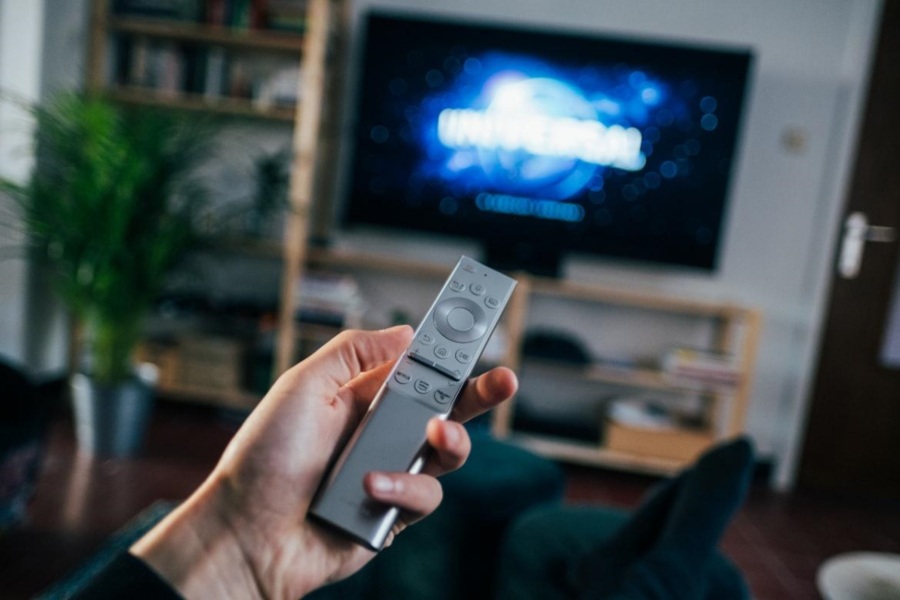
Digital design does not exist in an isolated bubble. Screen interactions cross boundaries between portable mobile devices and the massive monitors inside modern living rooms. Creative professionals who build apps and websites gain a distinct edge when studying traditional broadcasting methods.
The human brain reacts to visual stimuli using predictable patterns. Television commercials master the art of grabbing immediate focus within a span of 3 seconds. Web interfaces require the exact same immediate impact to prevent visitors from hitting the back button.
Studying how classic broadcasts command attention helps creators build better interfaces. A viewer sitting on a couch chooses to look away or stay tuned based on moving visual hooks. Web users operate under identical cognitive loads when scanning a fresh landing page layout.
Bright colors and rapid movement guide eyes toward critical messages on a television screen. Digital layouts utilize spacing and size contrast to manage user movement through a sales funnel. Merging these methodologies creates layouts that feel natural and intuitive.
Television campaigns frequently require viewers to perform immediate actions like dialing a phone number. Modern digital campaigns require similar prompt micro-interactions, like clicking a link or filling out forms. Web design elements perform better when they adopt the urgent phrasing found in direct broadcasting.
A recent commercial publication shared that the global direct response television marketing market holds a valuation of around $8.36 Billion in 2026. This massive financial footprint shows that broadcast triggers remain incredibly profitable across audiences. Incorporating those clear action pathways makes digital assets far more effective.
The strategic placement of an interactive element dictates how well a webpage converts traffic. When creators deploy DRTV advertising principles into their wireframes, they prioritize clarity over unnecessary decoration. Users need to understand the immediate value proposition without guessing where to click. Clear instructional design removes friction points from user journeys.
Commercials must tell a complete story within the tight boundaries of 15 or 30 seconds. Web design forces a similar structural restraint because mobile attention spans continue to shrink. Crafting a concise flow requires stripping away every piece of visual clutter.
Every element on a screen must serve a specific utility. Broadcast producers map out storyboards frame by frame to ensure maximum clarity. Designers can treat web page scrolls like consecutive television frames that build excitement.
Here are a few ways pacing impacts screen engagement:
Graphics built for high-definition television must look pixel perfect on older screens. Web elements must look clean on mobile devices and large desktop monitors. Learning how broadcast designers handle aspect ratios helps digital creators handle responsive grids.
Typography rules for television require high contrast text that remains readable from 10 feet away. Web layouts targeting mobile users require similar contrast rules for readability in sunlight. Adopting television safety margins protects critical text from getting cut off on unique device screens.
Broadcast methods continue to expand their economic reach globally. Industry projections from a regional market research study suggest that the broadcast sector will experience a compound annual growth rate of 5.5% from 2026 to 2032. This steady upward climb demonstrates the lasting power of television formats.
Digital practitioners who understand these expanding platforms position themselves for better enterprise opportunities. Large corporations frequently blend web campaigns with traditional broadcasting networks. Cross-discipline fluency allows teams to launch unified brand systems.
Television relies heavily on audio tracks to drive emotional connections. Web design traditionally ignores sound, but interactive applications are changing that norm. Notification sounds and subtle haptic feedback operate like mini commercial jingles.
Using audio cues correctly increases user satisfaction during checkout processes. Broadcast audio teaches creatives how to sync motion graphics with sonic peaks. This multi-sensory approach deepens user immersion during digital experiences.
Web browsing is typically a lean forward activity where users click and scroll aggressively. Smart televisions and streaming applications introduce a lean back environment where users relax. Designers building layouts for entertainment hubs must adapt to this relaxed posture.
Remote controls replace finger taps and mouse clicks in the living room ecosystem. Large button hit states and simplified navigation loops become mandatory requirements. Television media provides the blueprint for mapping these relaxed layouts.
Broadcast groups measure success using ratings and direct response spikes. Digital analytical tools track mouse heatmaps, session recordings, and click-through percentages. Both fields focus heavily on tracking human reactions to visual content.
Reviewing commercial performance reports helps web creators understand consumer behavior trends. Knowing what style of video clip causes a spike in search volume guides asset creation. Data bridges the gap between artistic choices and business performance.
Broadcast media undergoes intense review processes before reaching millions of homes. Digital designers often launch designs quickly and update them through live patches. Adopting a strict broadcast review mentality improves the initial launch quality of web applications.
Checking layout legibility from multiple rooms simulates real-world user distractions. Commercial creators know that audiences cook, chat, or check phones while watching screens. Designing digital interfaces for distracted users creates highly resilient products.
Television commercials rely heavily on a linear timeline to deliver information. Digital products allow users to jump between sections freely, yet the initial onboarding flow follows a strict step-by-step path. Understanding how a broadcast production holds interest over a fixed duration helps a layout artist build seamless onboarding paths.
Each screen shift must feel logical and intentional to prevent the viewer from getting confused. Broadcast editors use specific pacing techniques to transition between scenes without breaking the narrative thread. Applying these sequencing methods to mobile app onboarding ensures that users complete the registration process without dropping off.
The crossover between broadcast media and interactive design grows stronger every single day. Creatives who absorb lessons from classic television production build websites that hold attention longer. Merging these worlds produces layouts that drive conversions while maintaining strong visual interest across every device size.
Build a professional consulting or corporate website with Alexi. Modern design, responsive layouts, and flexible customization—perfect for business, agency, and service websites.
